
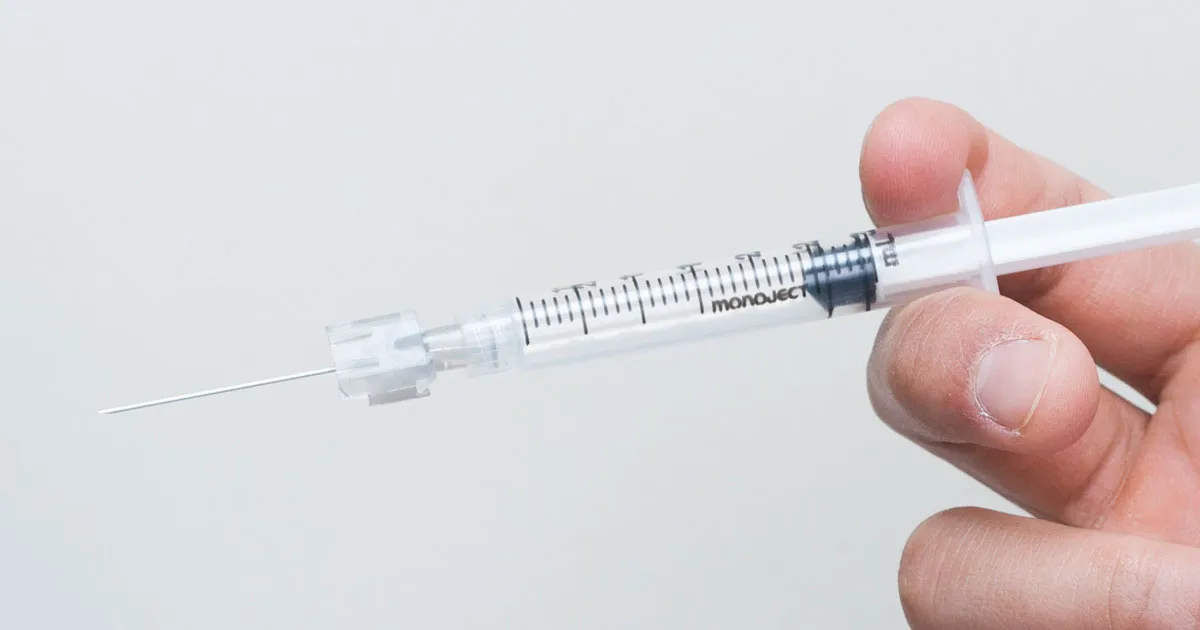
Injections for back pain
Share this
Dr Hsu or Dr Singh may recommend a spinal injection or block to ease back pain and inflammation as one part of a comprehensive non-operative treatment plan.
Spinal injections are relatively straight forward. Injections typically include an anti-inflammatory corticosteroid formula, combined with a small amount of local anaesthetic. The anti-inflammatory is delivered directly to the source of pain and provides greater benefits than oral medications. Injections can also be used to help confirm the source of pain.
Common injections to treat back and neck pain:
Epidural spine injections – delivered into the epidural space adjacent to the nerves and used to treat nerve pain, for example sciatica.
Facet joint injections – delivered into a facet joint (the connections between the bones of the spine) and used when pain is caused by arthritic/degenerative conditions or an injury.
Sacroiliac joint injections – delivered into the sacroiliac joint (the joints at the bottom of the spine where it connects to the pelvis).
How do they work?
Spinal injections are performed under fluoroscopic, computed tomographic (CT), or combined CT-fluoroscopic guidance. This allows the surgeon or radiologist to see the patient’s anatomy during the procedure and deliver medication safely and precisely to the spinal structure/s they have identified as causing the pain.
A corticosteroid is injected directly into the suspected problem area where the aim is to reduce inflammation and swelling, stabilise electrical activity in nerve cells, and reduce pain.
The spine injection is most useful when the nerve is irritated and swollen.
It is recommended patients rest for a few days after an injection to ensure the steroid is distributed effectively.
An exercise physiotherapy program may be prescribed following an injection to improve the strength, flexibility and endurance of the muscles that support the spine.
How long do they last?
Pain relief from a spinal injection may be felt immediately due to the local anaesthetic, however this will wear off within a few hours. If successful, the injection provides a steady reduction in pain for up to several months. However, some individuals may not experience any pain relief at all.
Having a spinal injection can reduce the need for oral pain medication, and in some cases, the need for surgery.
A spinal injection may not be for everyone. In some cases it may be too difficult to implement, or when there is significant neurological compression it might be ineffective or even counterproductive. Dr Hsu and Dr Singh will take a patient’s medical history, physical examination and medical imaging into account before recommending this course of treatment.
The information provided here is for general educational purposes only. Appointments at NSW Spine Specialists may vary at the discretion of our surgeons.
Read more

The right rehabilitation can make all the difference
Recover better from spine surgery or manage spinal conditions without surgery. Our Exercise Physiologists create personalised programs to improve strength, mobility and confidence.
Read more

Scoliosis vs Kyphosis: Understanding the Difference
While both scoliosis and kyphosis affect the shape of the spine, they are different conditions that require different approaches to diagnosis and treatment. Understanding the difference is the first step towards getting the right advice and care.
Read more
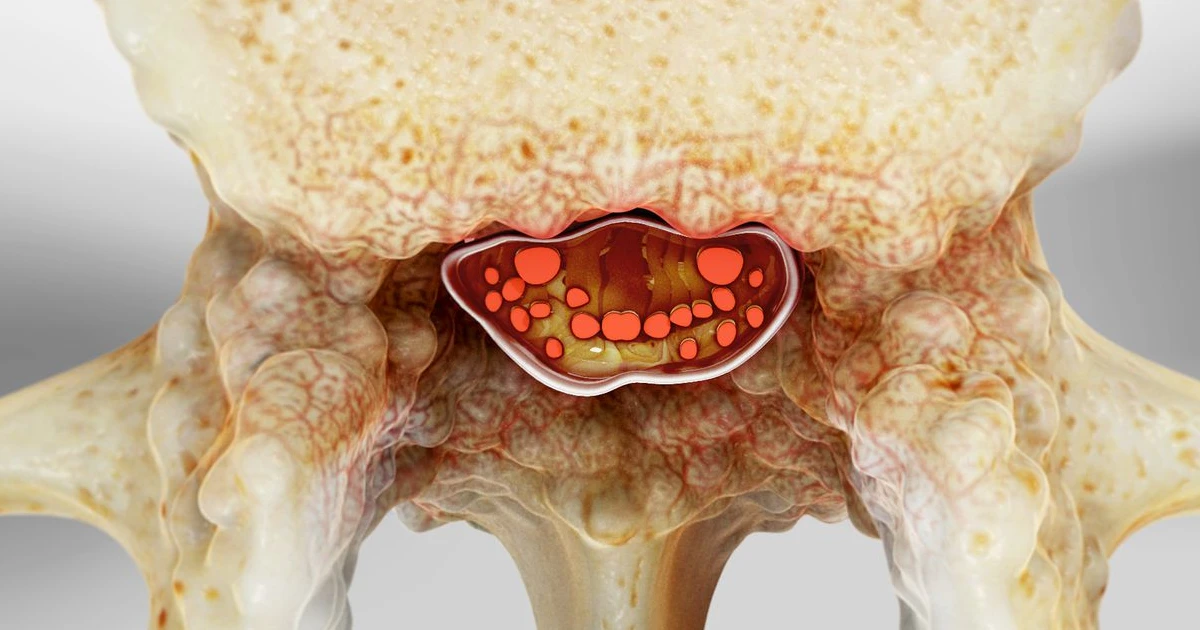
Spinal Stenosis: Understanding and Managing the Condition
Spinal stenosis refers to the narrowing of the spinal canal, the space within your vertebrae through which the spinal cord and nerves pass.
Read more

A Journey of Learning and Growth in Spine Surgery
Dr Sheng-Chieh Tseng recently completed his 2024 APSS-Medtronic Spine Fellowship report. This report reflects on an enriching three-month journey from last June to September.
Read more

