
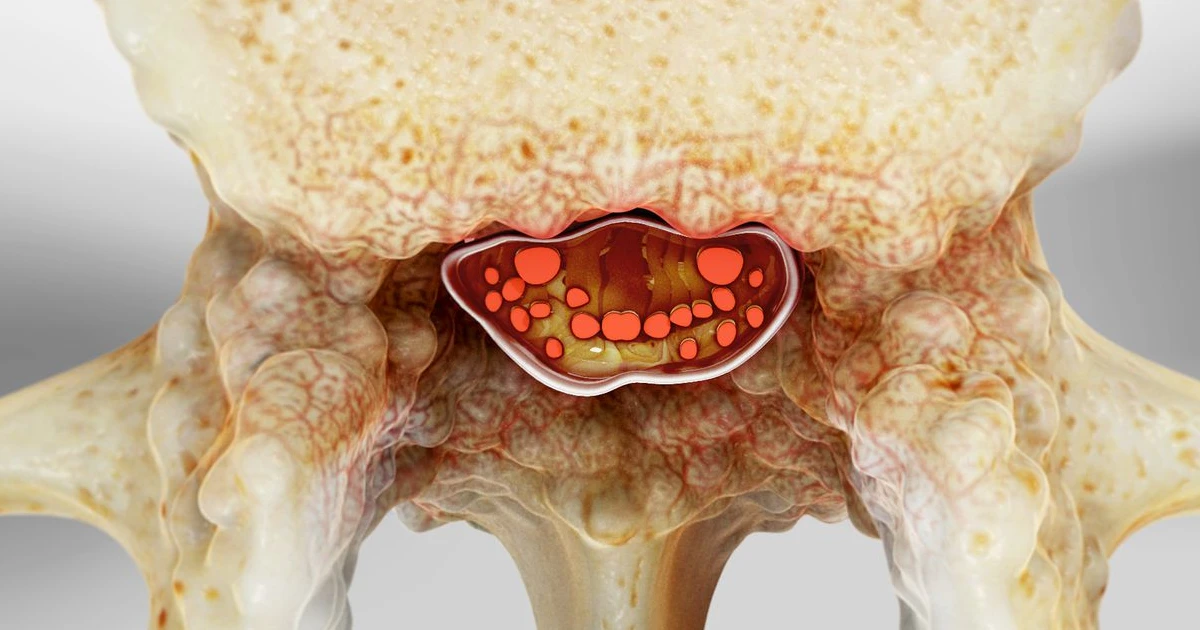
Spinal Stenosis: Understanding and Managing the Condition
Share this
Spinal stenosis refers to the narrowing of the spinal canal, the space within your vertebrae through which the spinal cord and nerves pass. This narrowing can put pressure on the spinal cord and nerves, leading to a variety of symptoms. While it can occur anywhere along the spine, it's most common in the lower back (lumbar spinal stenosis) and neck (cervical stenosis). Spinal stenosis is often associated with aging, as the spinal structures can change over time.
Causes of Spinal Stenosis
A variety of conditions can cause the spinal canal to narrow. The most common cause is age-related degeneration, such as osteoarthritis or thickening of ligaments, which can lead to bone spurs and disc bulging. Other causes include herniated discs, congenital spinal deformities, spinal injuries, or more rarely a tumour.
Recognising the Symptoms
The spinal stenosis symptoms can vary depending on the location and severity of the narrowing. Some people may experience no symptoms at all, while others may have significant pain and limitations. Common symptoms include:
- Pain: This can manifest as back pain, neck pain, or pain radiating into the arms or legs.
- Numbness or Tingling: A sensation of pins and needles may occur in the extremities.
- Weakness: Leg or arm weakness can make it difficult to walk, stand, or grip objects.
- Sciatica: Sharp, shooting pain down the leg is a common symptom of lumbar stenosis.
- Balance Problems: In severe cases, spinal stenosis can affect balance and coordination.
Spinal Stenosis Diagnosis and Medical Assessment
A thorough spinal stenosis diagnosis typically involves:
- Medical History and Physical Exam: We'll discuss your symptoms, medical history, and conduct a physical examination to assess your neurological function.
- Imaging Tests:
- X-rays: To rule out other causes of back pain. An X-ray will help identify changes like loss of disk height or bone spurs.
- MRI (Magnetic Resonance Imaging): Provides detailed images of the spinal cord and nerves, allowing identification of the location and extent of the stenosis.
- CT Scan (Computed Tomography): Can be used to assess the bony structures of the spine.
At NSW Spine Specialists we take a comprehensive and personalised approach to ensure the most accurate diagnosis and to develop a treatment plan tailored to your needs.
Treatment Options: From Pain Relief to Surgery
There are a range of treatment options for spinal stenosis treatment, depending on the severity of your symptoms. We usually explore the non-surgical avenues first.
Pain Relief
- Medications: Non steroidal anti-inflammatory drugs (NSAIDs) initially provide pain relief and also reduce swelling.
- Steroid Injections: Cortisone steroid injections are given around the nerves or in the "epidural space" to decrease swelling and pain.
Exercise
- Physical Therapy: A tailored physical therapy program can strengthen the muscles supporting your spine, improve flexibility, and reduce pain. Specific exercises can help open up the spinal canal. Core strengthening is an important part of managing spinal stenosis.
Activities to Avoid:
- Activities that increase pain (e.g., heavy lifting, prolonged standing) should be limited.
- Forward flexion exercises should be approached with caution, as these can sometimes worsen symptoms.
Lifestyle Adjustments
- Maintaining a healthy weight can reduce stress on your spine.
- Good posture is important for spinal health.
- Assistive devices (e.g., walkers, canes) can provide support and reduce pain.
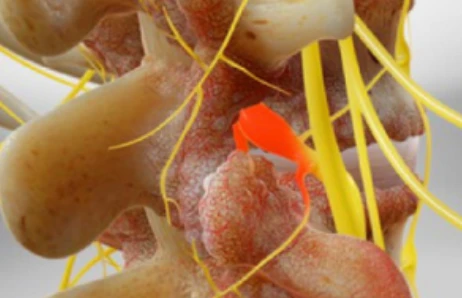
Compressed nerve
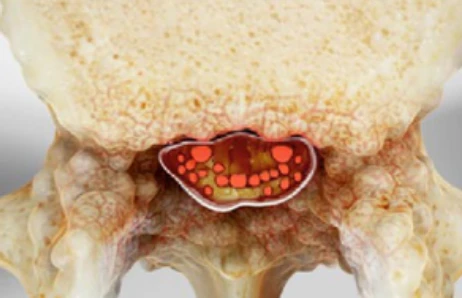
Narrowing of the spinal canal
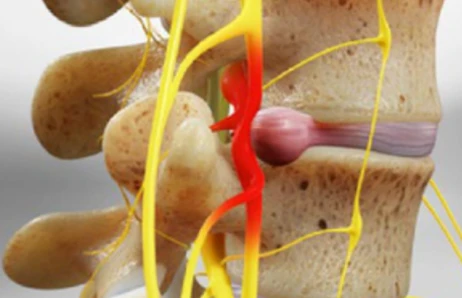
Herniated disc
Surgical Interventions
When non-surgical treatments are not effective, surgery may be considered. Common surgical procedures for spinal stenosis include:
- Laminectomy: This procedure involves removal of the bone, bone spurs, and ligaments that compress the nerves (https://www.nswspinespecialists.com.au/spinal-procedures/laminectomy/).
- Spinal Fusion: This involves joining two or more vertebrae together to stabilise the spine (https://www.nswspinespecialists.com.au/spinal-procedures/spinal-fusion-surgery/).
Our team at NSW Spine Specialists has extensive experience in performing advanced surgical procedures, ensuring the highest standards of care and recovery.
Living Well with Spinal Stenosis
Living with spinal stenosis can be challenging, but with the right approach, you can manage your symptoms and maintain a good quality of life. Here are some tips:
- Follow your treatment plan: Adhere to your physical therapy exercises, take medications as prescribed, and attend follow-up appointments.
- Stay active: Regular exercise can help strengthen your muscles, improve flexibility, and reduce pain. Choose low-impact activities such as walking, swimming, or cycling.
- Maintain a healthy weight: Excess weight puts extra stress on your spine.
- Practice good posture: Proper posture can help reduce pressure on your spinal cord and nerves.
- Use assistive devices: Walkers, canes, or braces can provide support and reduce pain.
- Listen to your body: Pay attention to your symptoms and avoid activities that worsen your pain.
- Seek support: Talk to your doctor, physical therapist, or a support group about your condition.
NSW Spine Specialists: Your Partner in Spinal Health
At NSW Spine Specialists, we're dedicated to providing comprehensive and compassionate care for spinal stenosis and other spinal conditions. Dr Brian Hsu, Dr Bhisham Singh and their experienced team will work with you to develop a personalised treatment plan that meets your individual needs. Contact us today to schedule a consultation and take the first step towards living with spinal stenosis.
Read more
The right rehabilitation can make all the difference
Recover better from spine surgery or manage spinal conditions without surgery. Our Exercise Physiologists create personalised programs to improve strength, mobility and confidence.
Read more
Scoliosis vs Kyphosis: Understanding the Difference
While both scoliosis and kyphosis affect the shape of the spine, they are different conditions that require different approaches to diagnosis and treatment. Understanding the difference is the first step towards getting the right advice and care.
Read more

A Journey of Learning and Growth in Spine Surgery
Dr Sheng-Chieh Tseng recently completed his 2024 APSS-Medtronic Spine Fellowship report. This report reflects on an enriching three-month journey from last June to September.
Read more

Aussie teen's big dreams paused by scoliosis | A Current Affair
Dr Brian Hsu was featured on an episode of A Current Affair on 10 June 2023 on Channel 9.
Read more
Book a Spine Consultation
- To see Dr Brian Hsu or Dr Bhisham Singh, the first step is to speak with your GP or paediatrician.
- Once you have a referral, contact our team on 1300 975 800 or request an appointment online.
- Please bring your referral letter, imaging (if available), and any relevant reports to your child's appointment.

