

The long term impacts of bad posture
Share this
Growing up you may have been told to “sit up straight” or “stand up properly” so what role does posture play in maintaining good spine health?
Posture describes the way you hold your body while sitting, standing, walking, lying down or carrying out weight-bearing activities. Being mindful of your posture can help protect your muscles and ligaments from unnecessary strain. Over time, today’s largely sedentary lifestyles can lead to rounded shoulders, back pain and in some cases spinal problems.
Maintaining a good posture can prevent:
- Backaches, headaches and muscular pain
- Muscles from weakening and shortening
- Fatigue, as muscles are being used efficiently
- Falls; as your centre of gravity changes with poor posture.
Posture and sciatica
Poor walking styles can cause or aggravate sciatica (nerve pain in the leg caused by irritation and or compression of the sciatic nerve).
Walking with a hunched back, flat back (reducing the natural curve in your upper and lower back), excessively curving your lower back or walking by tipping your pelvis forward can cause your muscles to fatigue and weaken over time leading to lower back problems, such as bone spurs, resulting in sciatica.
If you are already suffering from sciatica, a poor walking style can exacerbate your symptoms.
Can you improve bad posture?
Depending on the cause/s you may be able to improve your posture with a few lifestyle adjustments. These include:
- Exercising regularly to assist with strengthening muscles in the upper back, core and chest.
- Performing stretching exercises to improve flexibility
- Being aware of your posture and making small tweaks throughout the day.
If you have had a spinal cord injury or had spinal fusion surgery there may be some limitations to how much your posture can be improved through exercising and stretching.
Correct sitting position
Suggestions include:
- Sitting up with your back straight and your shoulders back
- Distributing your weight evenly on both hips
- Keeping your feet flat on the floor
- Trying to avoid sitting in the same position for more than 30 minutes at a time
- Not crossing your legs.
Correct standing position
Suggestions include:
- Standing up straight and tall with your shoulders back
- Pulling your stomach in
- Keeping your head level
- Having your weight distributed evenly
- Avoiding standing on one foot for long periods of time.
Correct sleeping position
Suggestions include:
- Trying to sleep in a position that maintains the natural curve of your spine
- Selecting a firm mattress
- Sleeping with the pillow under your head only, not your shoulders.
If you require more advice on improving your posture, book an appointment with your Exercise Physiologist. If you have prolonged back pain or spinal issues, see your GP who may refer you to a spine surgeon.
The information provided here is for general educational purposes only. Appointments at NSW Spine Specialists may vary at the discretion of our surgeons.
Read more

The right rehabilitation can make all the difference
Recover better from spine surgery or manage spinal conditions without surgery. Our Exercise Physiologists create personalised programs to improve strength, mobility and confidence.
Read more
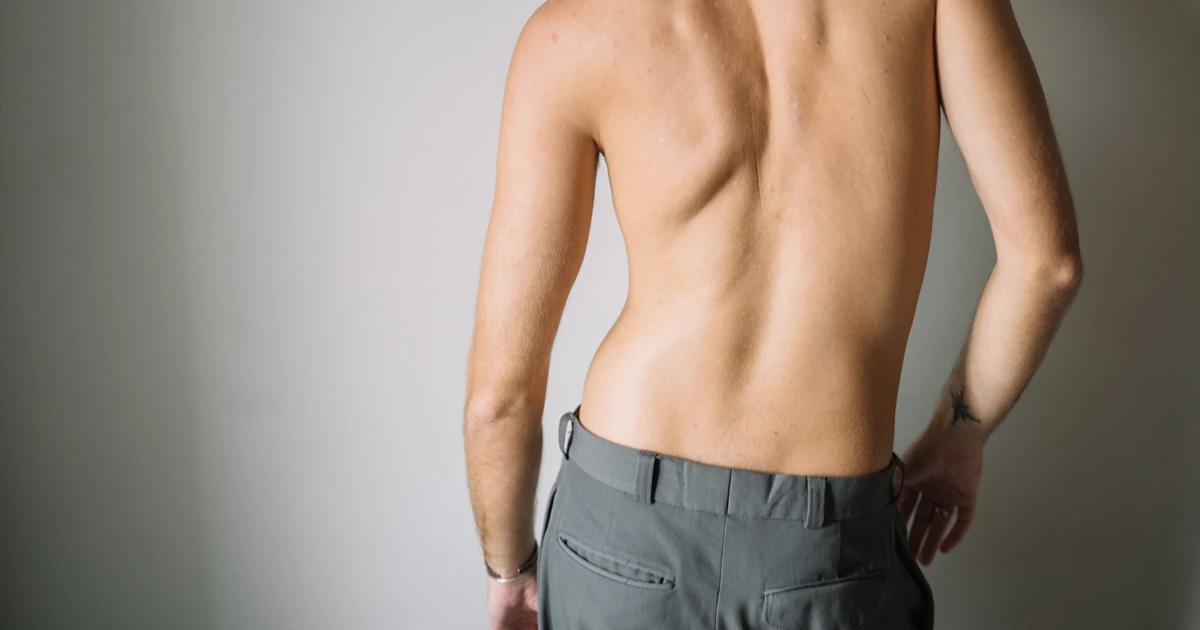
Scoliosis vs Kyphosis: Understanding the Difference
While both scoliosis and kyphosis affect the shape of the spine, they are different conditions that require different approaches to diagnosis and treatment. Understanding the difference is the first step towards getting the right advice and care.
Read more
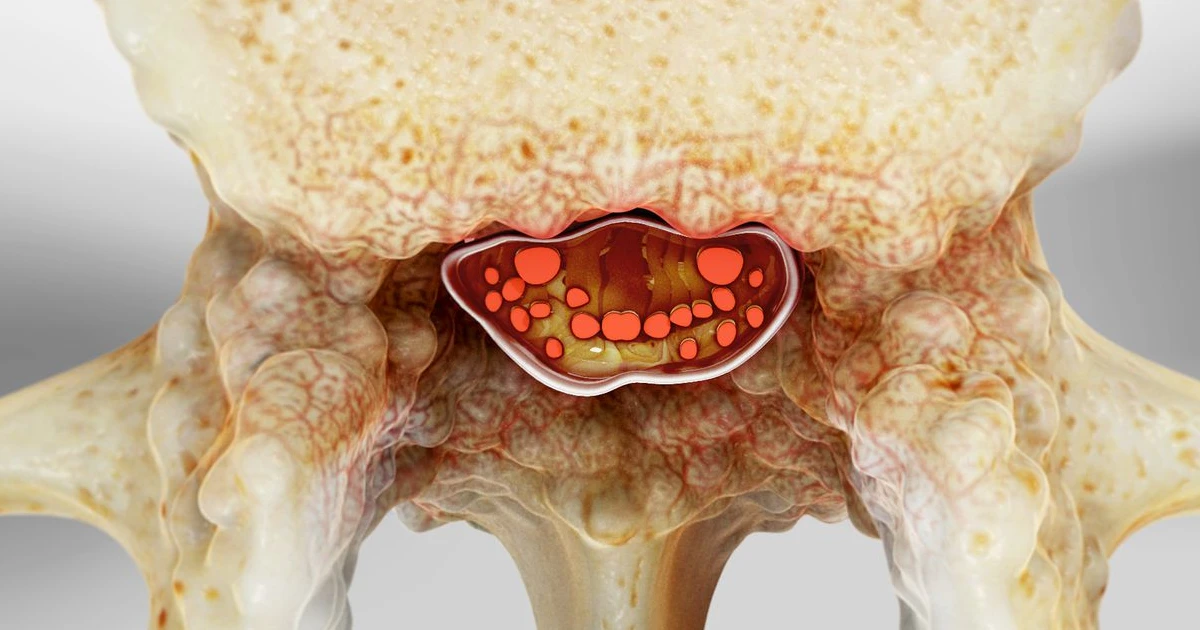
Spinal Stenosis: Understanding and Managing the Condition
Spinal stenosis refers to the narrowing of the spinal canal, the space within your vertebrae through which the spinal cord and nerves pass.
Read more

A Journey of Learning and Growth in Spine Surgery
Dr Sheng-Chieh Tseng recently completed his 2024 APSS-Medtronic Spine Fellowship report. This report reflects on an enriching three-month journey from last June to September.
Read more

