
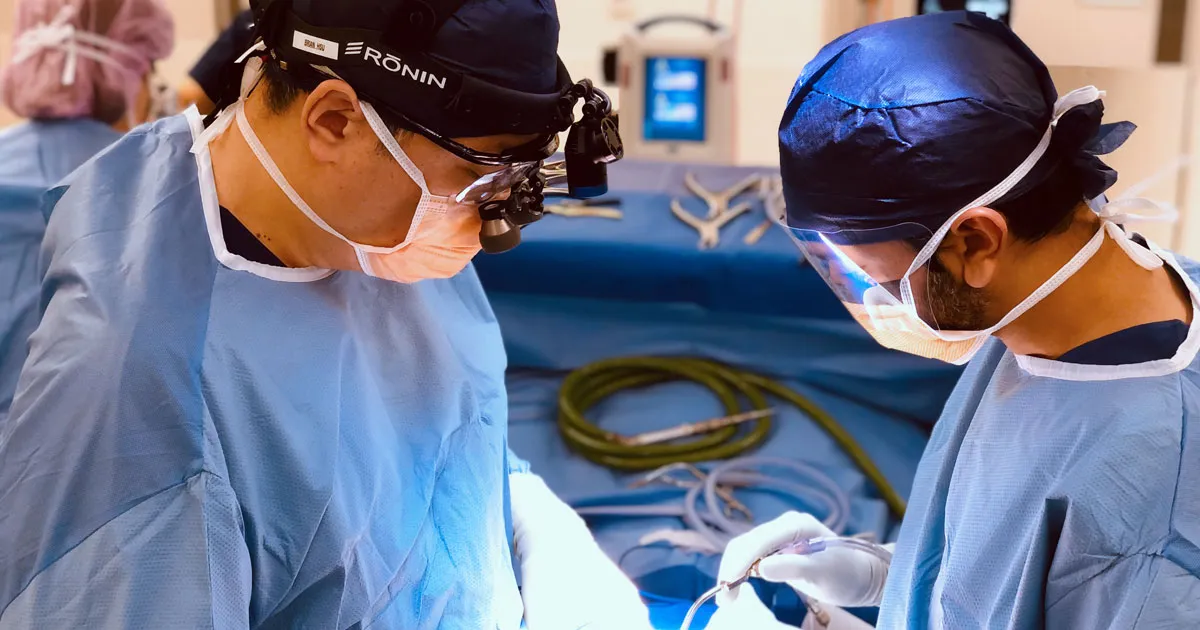
What does spinal fusion mean?
Share this
Spinal fusion surgery permanently joins two or more vertebrae in the spine, stopping any movement between them. It is done to stabilise the spine, correct a deformity or reduce pain.
Dr Hsu and Dr Singh may recommend spinal fusion to treat a deformity such as scoliosis or kyphosis, a slipped vertebra, a painful spine caused by severe arthritis, or to stabilise the spine following the removal of a damaged disc.
During a spinal fusion, Dr Hsu or Dr Singh place bone or a bone substitute around and between two vertebrae. Metal rods and screws are then used to hold the vertebrae together. Metallic prosthesis are used to not only correct any deformity but also to rigidly hold the vertebrae together so bone can grow between them and achieve fusion.
What are the potential benefits of spinal fusion?
- Pain relief - fusing an unstable joint can provide pain relief by preventing motion that can pinch or compress the nerves, or cause arthritic pain.
- Realignment - this is an important indication for spinal fusion, when a deformity or slipped disc must be corrected and stabilised.
- Stability – fusion helps to strengthen and stabilise the spine.
- Improved quality of life – If the patient has been living with chronic back pain, spinal fusion can help them return to the activities they use to enjoy.
What risks are involved with spinal fusion?
Any form of surgery carries risks, including spinal fusion. Potential risks include, but are not limited to:
- A theoretical risk of wear and tear of the vertebrae next to the fused spine over time (adjacent segment syndrome).
- A failure of the vertebrae to fuse together (pseudoarthrosis).
- Change in the position of the implants before fusion has occurred, requiring additional surgery.
What movement limitations, if any, will a patient have?
Fusing the spine may actually increase a patient’s mobility if severe pain has been limiting their range of motion. Movement limitations are more noticeable in longer fusions where the spine may become less flexible and movement may be reduced where it has been fused. It is important to note, most of the movement we attribute to spine flexibility actually arises from the pelvis, hips and other joints.
It is recommended to avoid bending, twisting and lifting for six weeks following spinal fusion, as these movements can increase pain during the early stages of recovery.
How to prepare for surgery
Patients must stop smoking before spinal fusion surgery as having nicotine in your system significantly decreases the rate of successful fusion. Patients should also stop taking nonsteroidal anti-inflammatory medicines (NSAIDs) and blood thinners, such as aspirin, two weeks prior.
Before going to the hospital, people can also help make their recovery easier by preparing their home. This may include placing cooking and personal care items at a height where the person can reach them without bending, and identifying a person who may be able to help with shopping and other chores.
How long will it take to recover from surgery?
Following a single-stage spinal fusion a person will usually stay in hospital for 5-7 days. If the patient has a two-stage fusion (front and back) they will be in hospital for two weeks. Dr Hsu and Dr Singh may then recommend a rehabilitation program to complete. The patient should limit their normal activities for at least 6 weeks, and plan to be off work for this amount of time.
To learn more about spinal fusion, visit our page on Spinal Fusion Surgery.
The information provided here is for general educational purposes only. Appointments at NSW Spine Specialists may vary at the discretion of our surgeons.
Read more
The right rehabilitation can make all the difference
Recover better from spine surgery or manage spinal conditions without surgery. Our Exercise Physiologists create personalised programs to improve strength, mobility and confidence.
Read more

Scoliosis vs Kyphosis: Understanding the Difference
While both scoliosis and kyphosis affect the shape of the spine, they are different conditions that require different approaches to diagnosis and treatment. Understanding the difference is the first step towards getting the right advice and care.
Read more
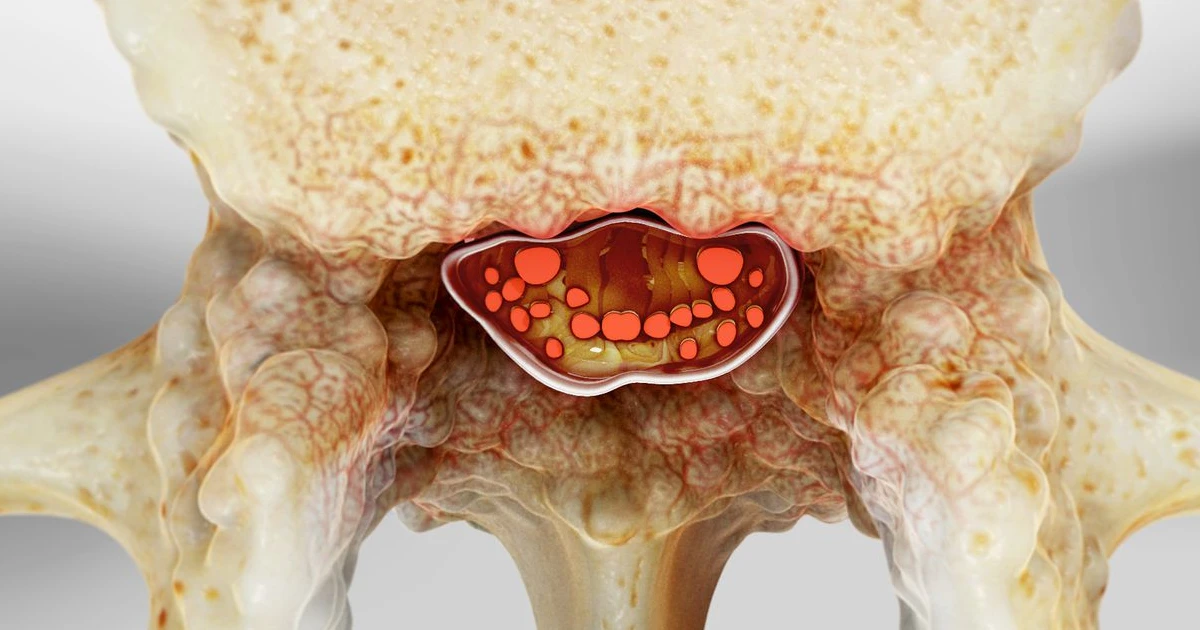
Spinal Stenosis: Understanding and Managing the Condition
Spinal stenosis refers to the narrowing of the spinal canal, the space within your vertebrae through which the spinal cord and nerves pass.
Read more

A Journey of Learning and Growth in Spine Surgery
Dr Sheng-Chieh Tseng recently completed his 2024 APSS-Medtronic Spine Fellowship report. This report reflects on an enriching three-month journey from last June to September.
Read more

