

What is cauda equina syndrome?
Share this
Cauda equina syndrome is a rare but serious neurological condition. The syndrome is caused by extreme pressure and swelling on the cauda equina, which is Latin for “horse’s tail”. The cauda equina is a collection of nerves and nerve roots at the base of the spine responsible for the sensation and function of the lower limbs, bladder and bowel.
Cauda equina syndrome is a medical emergency and requires surgical decompression to be performed within 24-48 hours. If there is a delay in treatment, people risk suffering permanent physical and neurological problems.
Symptoms and Causes
Symptoms of cauda equina syndrome can present in two ways: rapidly and severely, or slowly with varied intensity. Back and leg pain are the most common symptoms, however you should seek urgent medical attention if you have:
- Lost the ability to control your bladder or bowel
- Lower limb weakness or paralysis
- “Saddle anaesthesia” – loss or diminished sensation in areas where you would sit on a saddle
- Poor tendon reflexes
- Unexplained sexual dysfunction.
The most common cause of cauda equina syndrome is a severely bulging herniated disc in the lumbar spine that compresses the nerves. Other causes include, spinal conditions like spinal stenosis (when one or more bony openings (foramina) within the spine begin to narrow and reduce space for the nerves), osteoporosis, tumours, infections and inflammation and trauma to the lower back.
Diagnosis and Treatment
An early diagnosis is critical to treat cauda equina syndrome and give the nerves the best chance to heal. A doctor or spine surgeon will take a detailed medical history and conduct a neurological examination. If the doctor/spine surgeon suspects cauda equina syndrome, an urgent MRI scan will be ordered to confirm the diagnosis and assist with surgical planning. Spinal decompression surgery provides the best chance for recovery of sensation and functioning in the affected areas. A spine surgeon creates an incision at the site of the compression, and removes what is pressing on the cauda equina (herniated discs, bone fragments or tumours).
Medications can also be used to treat pressure caused by infection or inflammation of the cauda equina. Radiation and chemotherapy may be required after surgery if a tumour was responsible for causing the pressure.
The information provided here is for general educational purposes only. Appointments at NSW Spine Specialists may vary at the discretion of our surgeons.
Read more

The right rehabilitation can make all the difference
Recover better from spine surgery or manage spinal conditions without surgery. Our Exercise Physiologists create personalised programs to improve strength, mobility and confidence.
Read more
Scoliosis vs Kyphosis: Understanding the Difference
While both scoliosis and kyphosis affect the shape of the spine, they are different conditions that require different approaches to diagnosis and treatment. Understanding the difference is the first step towards getting the right advice and care.
Read more
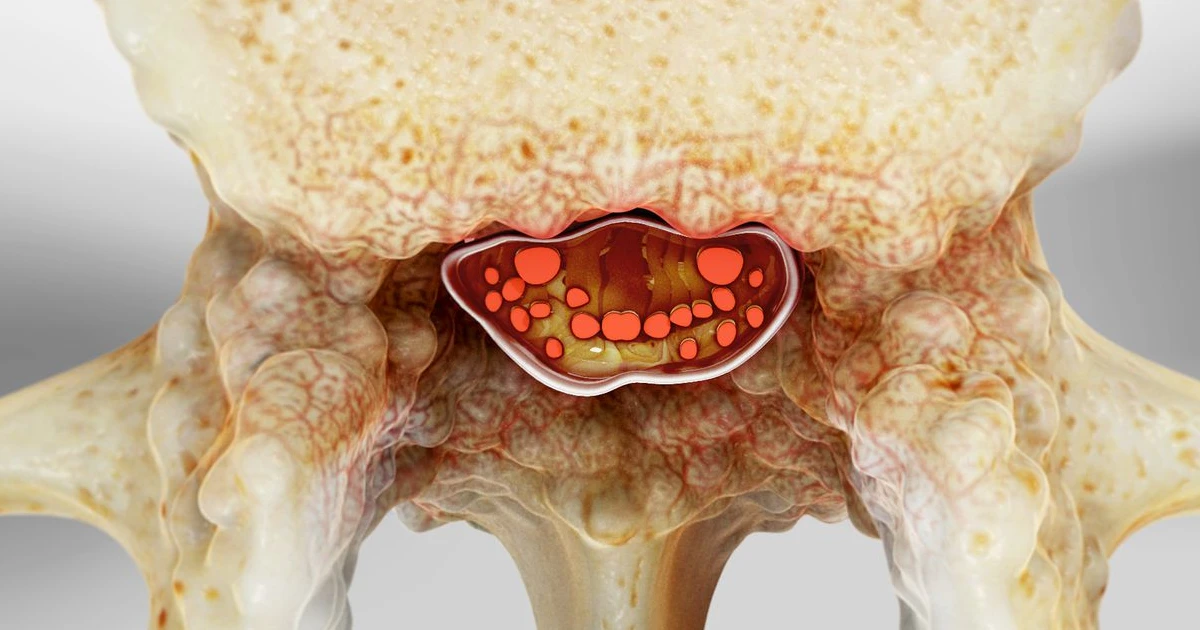
Spinal Stenosis: Understanding and Managing the Condition
Spinal stenosis refers to the narrowing of the spinal canal, the space within your vertebrae through which the spinal cord and nerves pass.
Read more

A Journey of Learning and Growth in Spine Surgery
Dr Sheng-Chieh Tseng recently completed his 2024 APSS-Medtronic Spine Fellowship report. This report reflects on an enriching three-month journey from last June to September.
Read more

