

Exercise and spine health
Share this
What is the role of an Exercise Physiologist in maintaining and promoting a healthy spine?
As an allied health professional, an Exercise Physiologist specialises in the management, rehabilitation and prevention of acute and chronic spine injuries by prescribing patient specific exercise interventions as an active based treatment.
Evidence based practice
To optimise treatment response and adaptations to maximise patient outcomes; exercise interventions are prescribed using evidence based practice which incorporates:
- Clinical expertise
- Patient values
- Best and latest available research
What does the research say about exercise and spine health?
- Improving global flexibility and strength is shown to significantly reduce chronic low back pain by up to 61.6%
- Strengthening core muscles to stabilise the trunk has been shown to reduce chronic low back pain by 39%-76.8%
- Moderate intensity aerobic exercise programs of 20-30 minutes can reduce chronic lower back pain by 20%
- Incorporating functional training into a rehabilitation program can reduce chronic lower back pain by 52.5% (Gordon & Bloxham. 2016)
The Exercise Physiology treatment process
- Assessment
- Developing treatment goals
- Developing active coping strategies
- Exercise prescription and delivery
- Reassessment
Exercise Physiology treatment goals
Specific goals will vary depending on the circumstances of the patient and the nature of their injury, along with any additional treatment interventions.
- Pain/fatigue management
- Increase strength, range of motion and mobility
- Enhance functional capacity and tolerance
- Improve general health status
- Injury prevention
- Create long term independence with injury management
Exercise prescription
Mobility, release and stretching
- Muscle trigger
- Provide stimulus to release muscle fibres
- Reduce acute muscle tightness that may exacerbate symptoms
- Foam rolling
- Enhance blood flow into the muscle tissue
- Prepare for movement and aid recovery
- Stretching
- Muscular – static or dynamic
- Neural gliding to relieve tension
Resistance training – Strength development
- Muscle activation
- Reduce/manage symptoms
- Prepare for movement
- Isolated strengthening
- Lumbo-pelvic stability
- Joint specific
- Global strengthening
- Functional strengthening to enhance capacity
- Reverse deconditioning
Aerobic conditioning
- Reverse deconditioning
- Enhance tolerance of functional tasks and physical activity
- Improve general health status
Article written by Exercise Physiologist Chris Hughes from Sydney Sports and Exercise Physiology
The information provided here is for general educational purposes only. Appointments at NSW Spine Specialists may vary at the discretion of our surgeons.
Read more

The right rehabilitation can make all the difference
Recover better from spine surgery or manage spinal conditions without surgery. Our Exercise Physiologists create personalised programs to improve strength, mobility and confidence.
Read more

Scoliosis vs Kyphosis: Understanding the Difference
While both scoliosis and kyphosis affect the shape of the spine, they are different conditions that require different approaches to diagnosis and treatment. Understanding the difference is the first step towards getting the right advice and care.
Read more
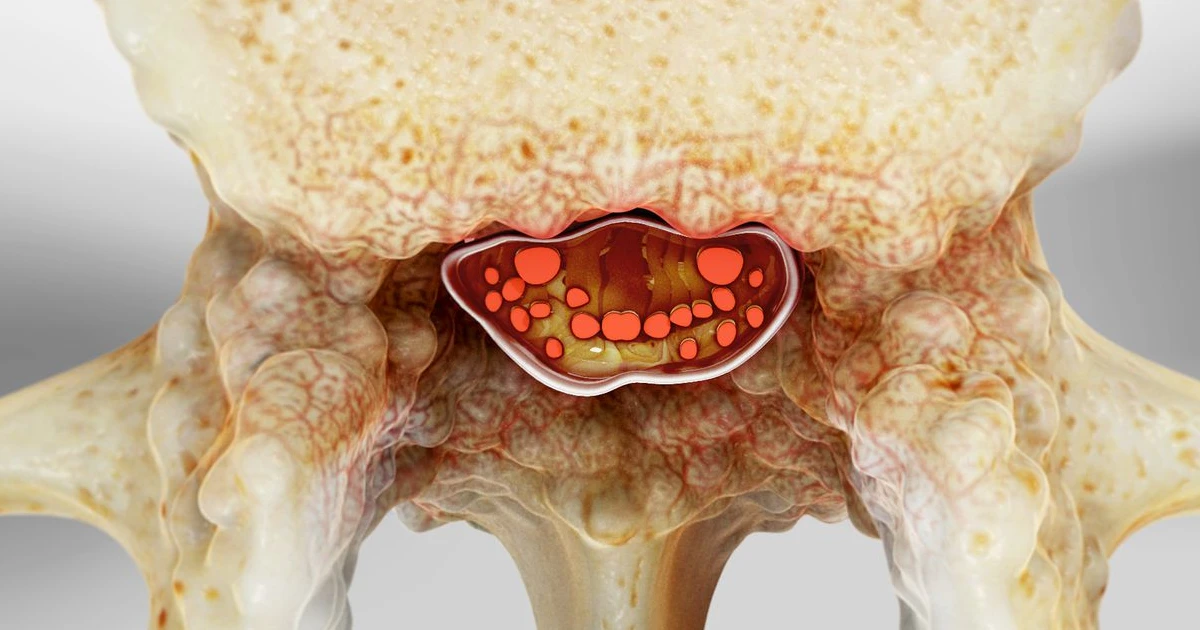
Spinal Stenosis: Understanding and Managing the Condition
Spinal stenosis refers to the narrowing of the spinal canal, the space within your vertebrae through which the spinal cord and nerves pass.
Read more

A Journey of Learning and Growth in Spine Surgery
Dr Sheng-Chieh Tseng recently completed his 2024 APSS-Medtronic Spine Fellowship report. This report reflects on an enriching three-month journey from last June to September.
Read more

