
Scoliosis vs Kyphosis: Understanding the Difference
Share this
You may notice your child's shoulders appear uneven in a school photo, or perhaps you've become aware of a more rounded posture as you've gotten older. While both scoliosis and kyphosis affect the shape of the spine, they are different conditions that require different approaches to diagnosis and treatment. Understanding the difference is the first step towards getting the right advice and care.
What is Scoliosis?
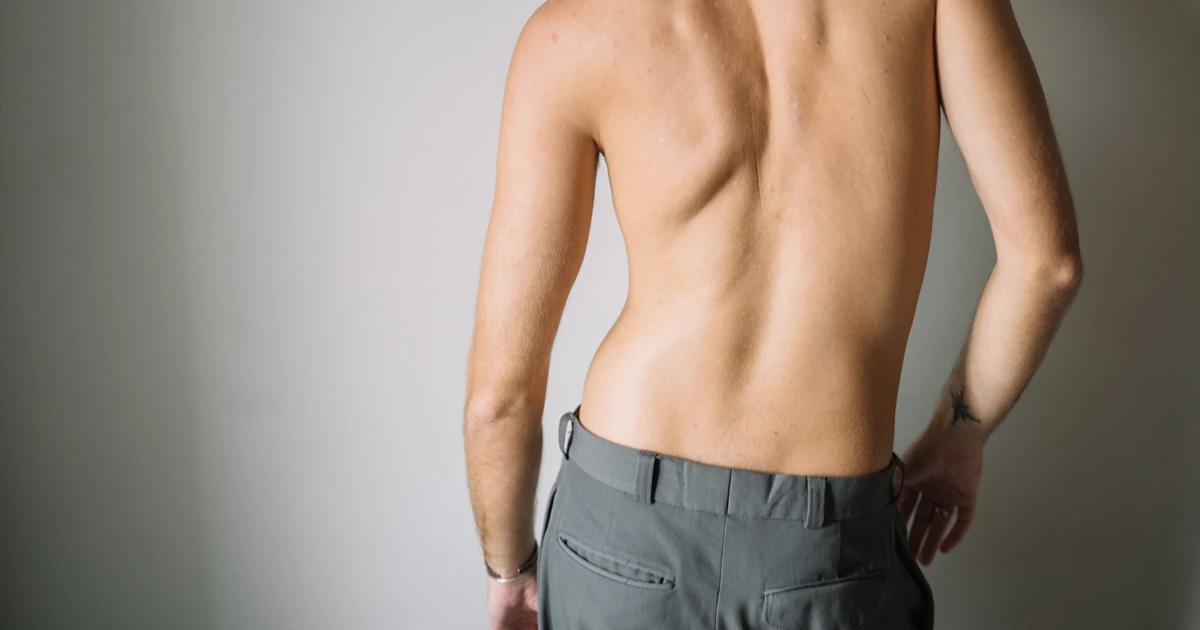
Scoliosis is a condition where the spine or back bone is curved sideways instead of appearing in a straight line. Instead of appearing straight, the spine may develop a C-shaped or S-shaped curve. The vertebrae can also rotate, making scoliosis a three-dimensional spinal deformity.
Common signs of scoliosis include:
- Uneven shoulders
- One shoulder blade appearing more prominent
- Uneven waistline
- One hip sitting higher than the other
- A rib prominence when bending forward
Scoliosis most commonly develops during adolescence, particularly during growth spurts, although it can also occur in adults due to age-related degeneration of the spine.
What is kyphosis?
Kyphosis refers to an excessive forward rounding of the upper back when viewed from the side. While a gentle forward curve in the thoracic spine is normal, kyphosis occurs when this curve becomes more pronounced.
Common signs of kyphosis include:
- A rounded or hunched upper back
- Rounded shoulders
- Back fatigue or discomfort
- Stiffness in the upper spine
- Tight hamstrings
Kyphosis may develop due to poor posture, Scheuermann's disease during adolescence, or age-related changes such as osteoporosis and spinal degeneration.
The Key Difference
The easiest way to distinguish between the two conditions is by looking at the direction of the curve:
| Scoliosis | Kyphosis |
|---|---|
| Spine curves sideways | Spine curves forward |
| Best seen from behind | Best seen from the side |
| Often causes asymmetry of the shoulders, ribs or hips | Often causes a rounded or stooped posture |
In some cases, patients may have both conditions together, known as kyphoscoliosis.
What Causes Scoliosis and Kyphosis?
Causes of Scoliosis
The most common type is adolescent idiopathic scoliosis, where no specific cause can be identified. Other causes include:
- Congenital spinal abnormalities present from birth
- Neuromuscular conditions such as cerebral palsy or muscular dystrophy
- Degenerative changes in the adult spine
Causes of Kyphosis
Kyphosis may develop as a result of:
- Poor posture
- Scheuermann's disease
- Degenerative spinal changes
- Osteoporotic vertebral fractures
How Are These Conditions Diagnosed?
Assessment begins with a thorough clinical examination and discussion of symptoms. If a spinal deformity is suspected, standing spinal X-rays are usually performed. These allow the curve to be measured using the Cobb angle and help determine the severity of the condition.
Additional imaging such as MRI may be recommended if there are neurological symptoms or concerns about the underlying cause of the deformity.
Treatment Options
Treatment depends on several factors, including the patient's age, the severity of the curve, symptoms and the likelihood of progression.
Scoliosis Treatment
Treatment may include:
- Observation and monitoring
- Physiotherapy
- Bracing in growing children and adolescents
- Surgery for severe or progressive curves
Kyphosis Treatment
Treatment may include:
- Observation and monitoring
- Postural education
- Physiotherapy and exercise
- Nonsteroidal anti-inflammatory drugs
- Bracing in selected adolescents
- Surgery for severe deformity or significant symptoms
Not every patient requires surgery. Many people achieve excellent outcomes through appropriate monitoring and conservative treatment.
When Should You Seek Specialist Advice?
It is worth arranging an assessment if you notice:
- Uneven shoulders, hips or waistline
- A visible spinal curve
- A rounded or hunched posture
- Persistent back pain
- A spinal deformity that appears to be worsening
- Neurological symptoms such as numbness, tingling or weakness
Early assessment can help identify whether treatment is needed and provide reassurance when it is not.
Expert Assessment for Children and Adults
At NSW Spine Specialists, our surgeons have extensive experience diagnosing and managing both scoliosis and kyphosis in children, adolescents and adults. Because these conditions can vary significantly from one person to another, an accurate diagnosis is essential. Understanding the type of spinal deformity, its severity and its potential to progress allows an individualised treatment plan to be developed.
Read more
The right rehabilitation can make all the difference
Recover better from spine surgery or manage spinal conditions without surgery. Our Exercise Physiologists create personalised programs to improve strength, mobility and confidence.
Read more
Spinal Stenosis: Understanding and Managing the Condition
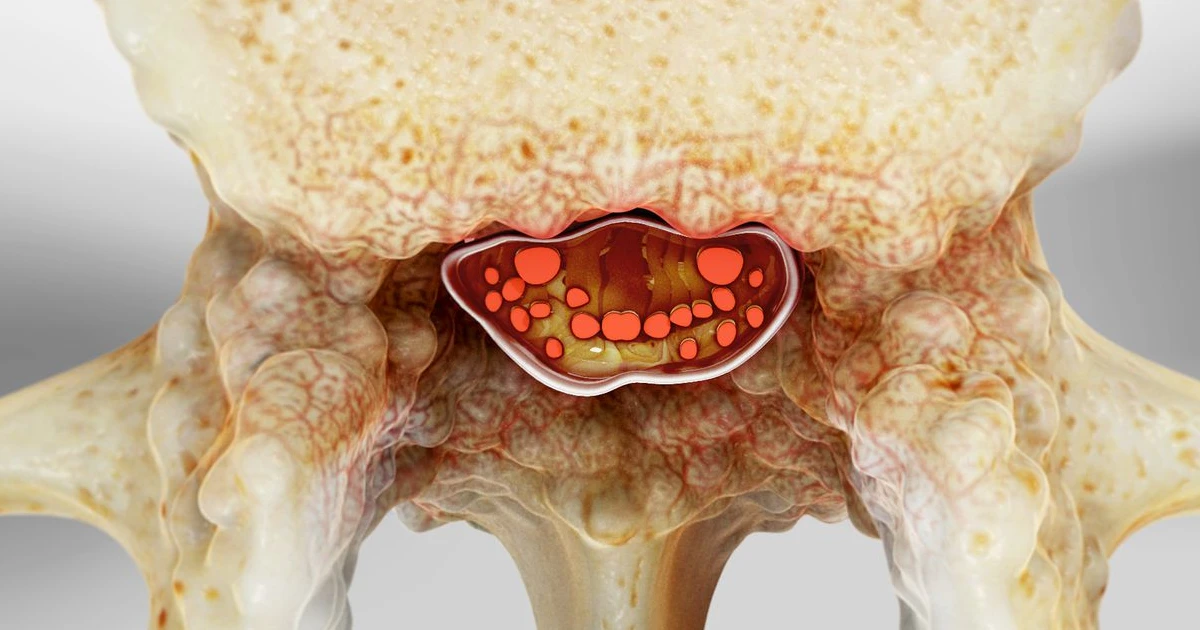
Spinal stenosis refers to the narrowing of the spinal canal, the space within your vertebrae through which the spinal cord and nerves pass.
Read more

A Journey of Learning and Growth in Spine Surgery
Dr Sheng-Chieh Tseng recently completed his 2024 APSS-Medtronic Spine Fellowship report. This report reflects on an enriching three-month journey from last June to September.
Read more

Aussie teen's big dreams paused by scoliosis | A Current Affair
Dr Brian Hsu was featured on an episode of A Current Affair on 10 June 2023 on Channel 9.
Read more
Take the Next Step
If you are concerned about your child's posture, have noticed changes in your own spine, or have been diagnosed with scoliosis or kyphosis and would like specialist advice, the team at NSW Spine Specialists can help.
Early assessment provides clarity, reassurance and access to the most appropriate treatment options for your individual circumstances.

