
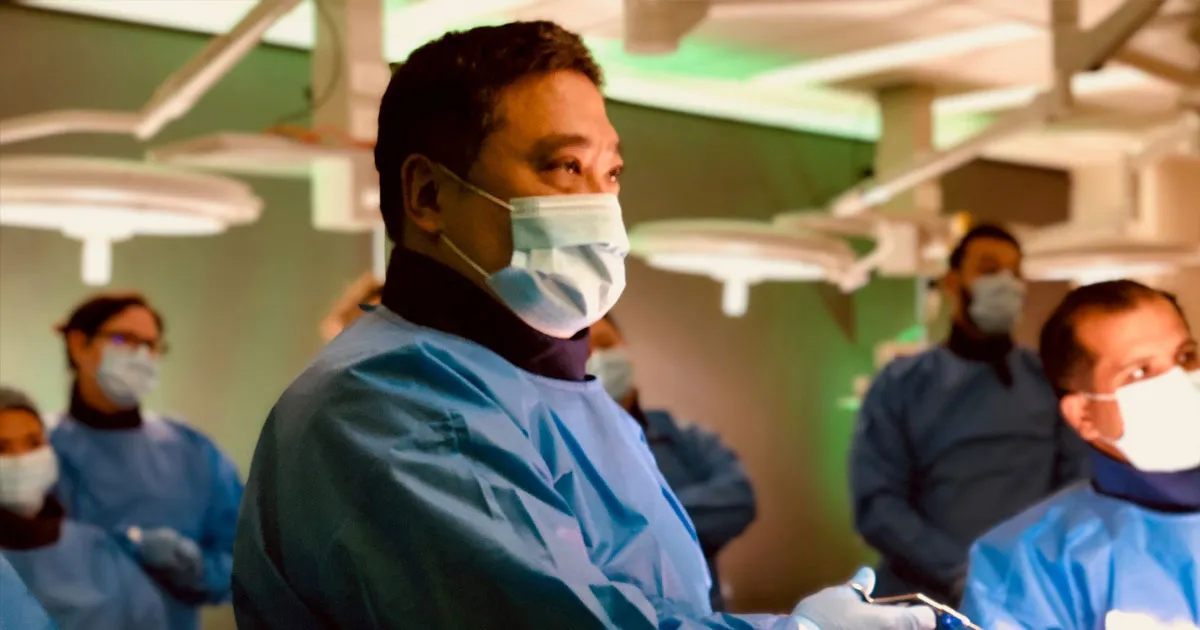
New technologies in spine surgery
Share this
Technology in spine surgery has been developing at a rapid pace since the 1980s and is showing no signs of slowing down.
New technologies such as robotics, endoscopy and magnetic growing rods are helping to improve surgical accuracy and patient outcomes.
7D Technology
7D Surgical’s Machine-Vision Technology is an image guidance system similar to that of self-driving cars, using special cameras to quickly analyse the surface of the spine. The system uses this data to digitally register the patient’s operative position with a pre-operative scan, creating a real-time 3D image of the patient’s anatomy within seconds.
Robotics
Surgeons are now using robotics in their operating theatres to add further accuracy to spinal instrumentation. Surgeons use instrumentation to add stability to spine segments as they seek to correct deformity and re-align the spine.
Robotic spine surgery utilises a computer-guided mechanical “arm” to present the trajectory the surgeon has chosen during the planning of the instrumentation. The “arm” typically holds an instrument, such as a drill guide, to point the correct trajectory for the surgeon to drill and place the pedicle screw.
Endoscopic Spine Surgery
With technology advances in camera, lighting and video displays, the surgical technique known as endoscopy (“Endos” Greek for “within”, “skopein” - “to observe or view”) has developed exponentially in the past few decades.
Endoscopy is a procedure to look inside the body with a long, thin flexible tube that has a camera and a light at the end. Modern navigation technology allows the surgeon to visualise the position of the endoscopic instruments as they are placed in the patient’s body, adding to patient safety and reducing radiation exposure to the patient and operating theatre staff.
Magnetic Growing Rods
In young patients who develop scoliosis, bracing is sometimes unable to control the progression of the curve. This can lead to severe deformity, and in rare cases death (curves >100°). Spinal fusion, while useful in arresting the curve progression, leaves the child with a shortened trunk and severe respiratory capacity.
The so-called growing rod refers to a spinal construct where only one or two levels are instrumented and fused while the rest of the spine is allowed to continue to “grow”. With the invention of magnetic driven rods, an electromagnet is used close to the patient’s skin and implanted magnetic rods allow surgeons to activate the internal mechanism that lengthens the rods without surgically opening the wound. This is painless, takes about 60 seconds and can be repeated as often as necessary to match the child’s growth rate.
Vertebral Body Tethering
Vertebral body tethering (VBT) is a technique still under evaluation and its indications are being refined every 3 to 6 months. This technique places a compressive force over the convex side of the spine to permit the concave side of the spine to grow and create a straighter spine.
The consequences of tether breakage, the long-term problems of discs compressed by the tether and the possibility of late onset back pain are still being investigated.
Disclosure: Dr Hsu co-owns a patent and is co-developer of a vertebral body tethering system. The information provided here is for general educational purposes only. Appointments at NSW Spine Specialists may vary at the discretion of our surgeons.
Read more
The right rehabilitation can make all the difference
Recover better from spine surgery or manage spinal conditions without surgery. Our Exercise Physiologists create personalised programs to improve strength, mobility and confidence.
Read more

Scoliosis vs Kyphosis: Understanding the Difference
While both scoliosis and kyphosis affect the shape of the spine, they are different conditions that require different approaches to diagnosis and treatment. Understanding the difference is the first step towards getting the right advice and care.
Read more
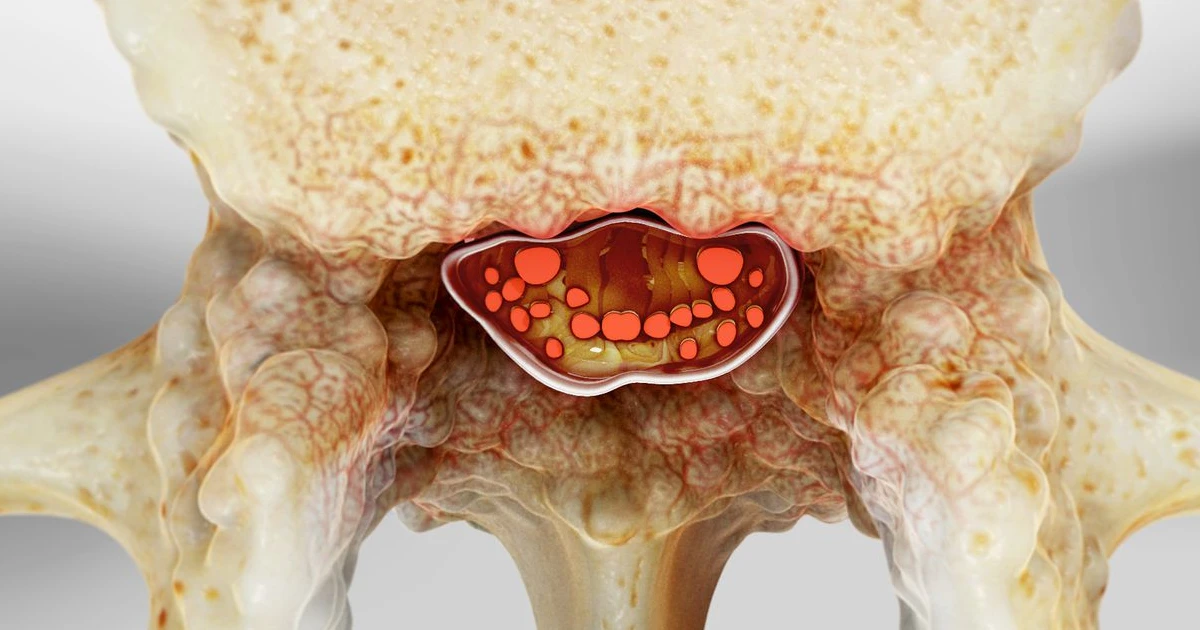
Spinal Stenosis: Understanding and Managing the Condition
Spinal stenosis refers to the narrowing of the spinal canal, the space within your vertebrae through which the spinal cord and nerves pass.
Read more

A Journey of Learning and Growth in Spine Surgery
Dr Sheng-Chieh Tseng recently completed his 2024 APSS-Medtronic Spine Fellowship report. This report reflects on an enriching three-month journey from last June to September.
Read more

