

Intra-operative neuromonitoring for complex spine surgery
Share this
Intra-operative neuromonitoring or IONM involves the real-time assessment of the nervous system, which provides valuable information during spine surgery.
The goal of IONM is to identify any changes to the electrical impulses detected in the brain, spinal cord and peripheral nerves and be reported in real-time to avoid neurological injury.
IONM requires a team of specialists, including a neurophysiology scientist, a surgeon and an anaesthetist, to collaborate during a medical procedure. The neurophysiology scientist uses electrodes attached to specific parts of the body to scan and monitor the function and integrity of a patient’s neural structures and points out any changes to the surgeon so they can intervene immediately if required.
The introduction of IONM into oncology, deformity and complex surgeries in the past 20 years has reduced the risk of neurological injury.
Why our surgeons use IONM
Dr Brian Hsu and Dr Bhisham Singh believe IONM is vital for complex surgeries, such as spinal deformity correction and tumours.
In spine surgery, IONM provides an opportunity to monitor a patient’s spinal cord, nerve roots and key blood vessels reducing the risk of muscle weakness, paralysis and loss of normal body functions following surgery.
Dr Hsu and Dr Singh’s patients meet their neurophysiology scientist prior to their surgery. The neurophysiology scientist provides a simple explanation about the IONM they will be performing and the patient has an opportunity to ask questions.
Common IONM methods used to monitor spinal cord function
Somatosensory evoked potentials (SSEPs) – used to monitor the dorsal column-medial lemniscus pathway, which is responsible for fine touch (tactile sensation), vibration and proprioception (self-movement and body position).
Motor evoked potentials (MEPs) – used to monitor the function and integrity of the corticospinal tract - the major spinal pathway involved in voluntary movements. Prior to MEPs being widely introduced surgeons had to assess the integrity of the corticospinal tract with the Stagnara wake-up test. This test involves waking up a patient mid-surgery and asking them to move their feet.
Electromyography (EMG) – used to monitor nerve roots and corresponding muscles.
Triggered Electromyography (tEMG) – used to monitor whether a pedicle screw used to stabilise the spine has been placed in a safe position.
The information provided here is for general educational purposes only. Appointments at NSW Spine Specialists may vary at the discretion of our surgeons.
Read more
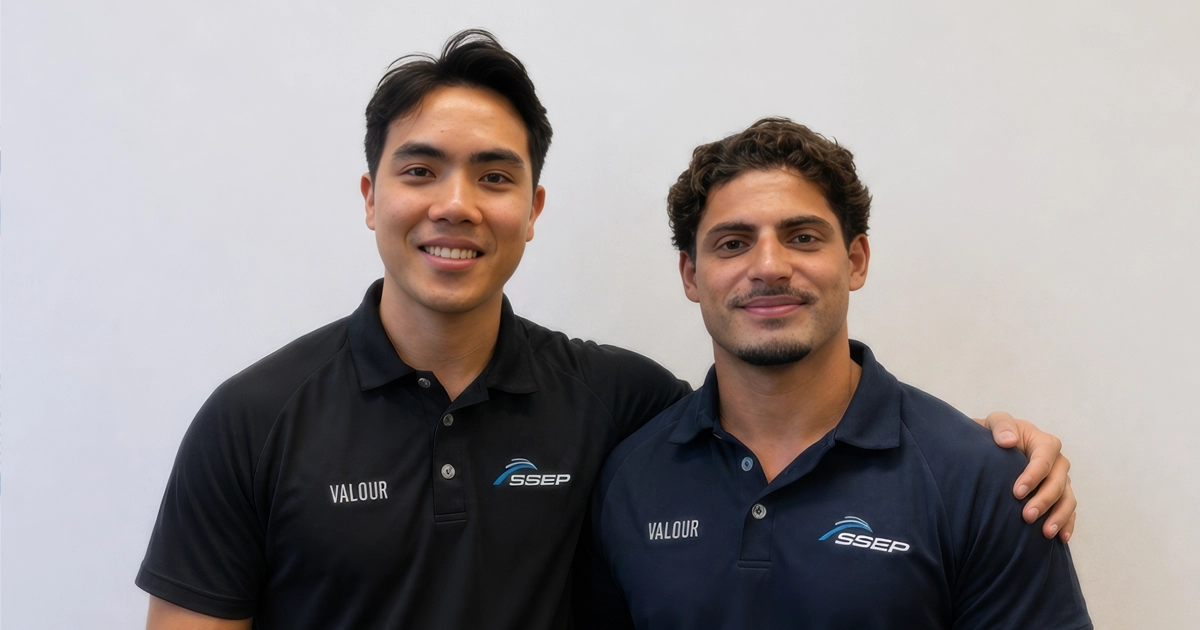
The right rehabilitation can make all the difference
Recover better from spine surgery or manage spinal conditions without surgery. Our Exercise Physiologists create personalised programs to improve strength, mobility and confidence.
Read more

Scoliosis vs Kyphosis: Understanding the Difference
While both scoliosis and kyphosis affect the shape of the spine, they are different conditions that require different approaches to diagnosis and treatment. Understanding the difference is the first step towards getting the right advice and care.
Read more
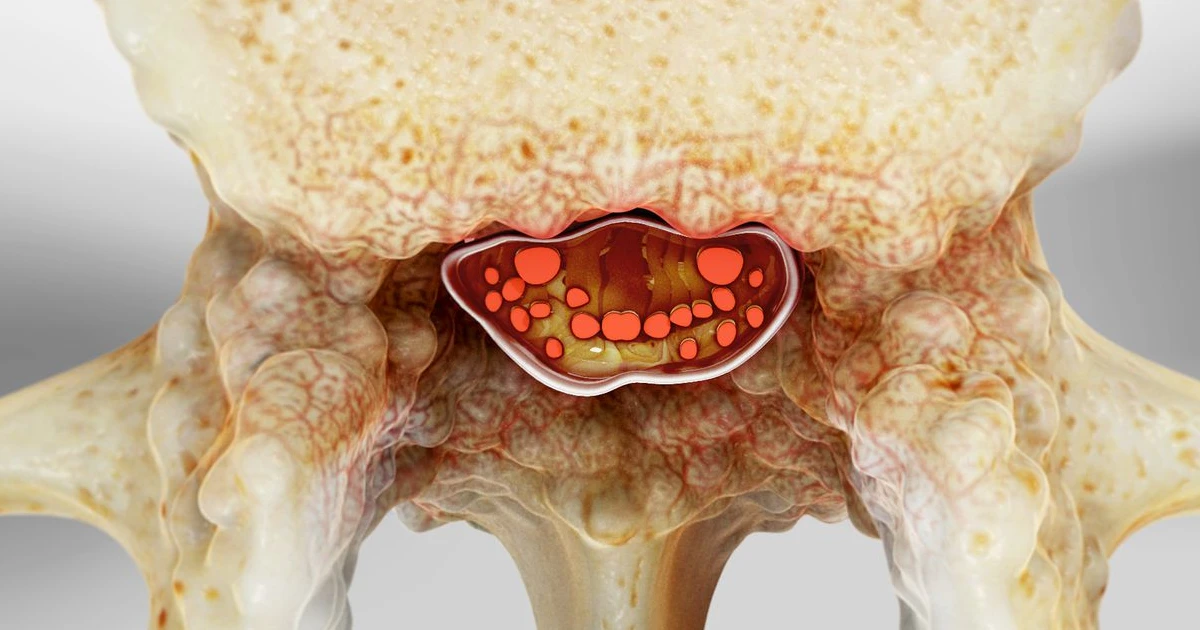
Spinal Stenosis: Understanding and Managing the Condition
Spinal stenosis refers to the narrowing of the spinal canal, the space within your vertebrae through which the spinal cord and nerves pass.
Read more

A Journey of Learning and Growth in Spine Surgery
Dr Sheng-Chieh Tseng recently completed his 2024 APSS-Medtronic Spine Fellowship report. This report reflects on an enriching three-month journey from last June to September.
Read more

